US Strikes Venezuela: Maduro Captured in Bold Military Operation Amid Escalating Tensions
By Ethan Brooks |
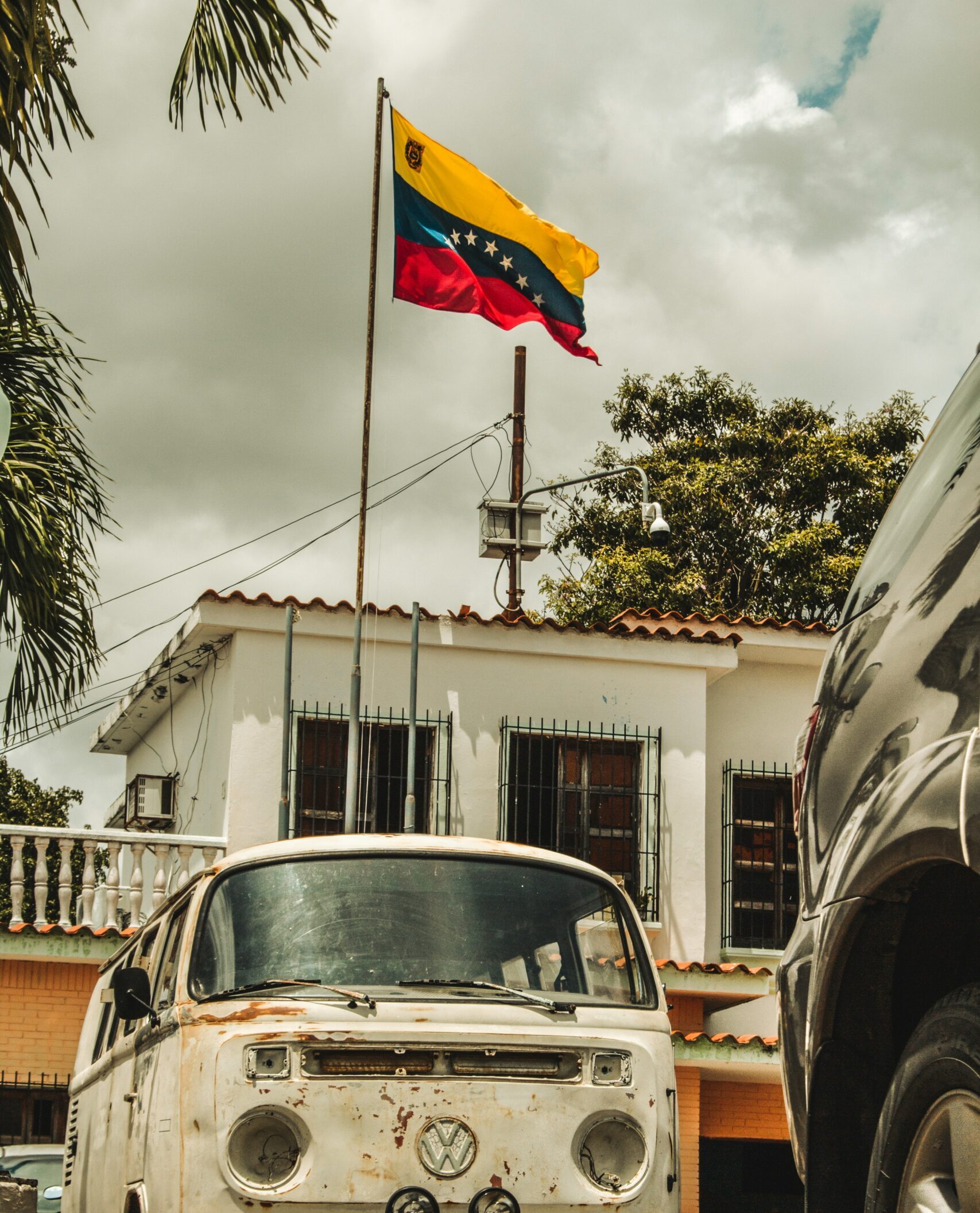
The world woke up to startling news on January 3, 2026: explosions echoing through Caracas, the Venezuelan capital, as U.S. forces launched a series of airstrikes on key military installations. President Donald Trump soon took to social media to declare that Venezuelan President Nicolás Maduro, long accused by Washington of leading a narco-terrorist regime, had been captured alongside his wife and flown out of the country. This operation, executed by elite U.S. Delta Force units, marks a significant turning point in U.S.-Venezuela relations, one that harkens back to historical interventions but unfolds in a modern geopolitical landscape fraught with tension.
What prompted this bold move? For years, the U.S. has viewed Maduro’s government as a threat, not just to regional stability but to American security through alleged drug trafficking networks. Indicted in 2020 on charges including narco-terrorism and conspiracy to import cocaine, Maduro has governed amid economic collapse, disputed elections, and international isolation. The Trump administration, in its second term, ramped up pressure with sanctions, naval deployments in the Caribbean, and strikes on Venezuelan vessels suspected of drug smuggling. By late 2025, threats of land-based attacks had intensified, with Trump warning that such actions would be “much easier” than maritime operations.
Yet, this strike goes beyond bilateral grievances. It arrives at a moment when global alliances are shifting, with Venezuela’s ties to Russia, Iran, and China providing a counterweight to U.S. influence in Latin America. Observers wonder: Could this spark broader conflict, or might it pave the way for democratic transition in a nation plagued by hyperinflation and humanitarian crises? The operation draws parallels to the 1989 U.S. invasion of Panama, where leader Manuel Noriega was captured on similar drug charges exactly 35 years prior. As details emerge, the international community grapples with the implications, from potential refugee flows to disruptions in global oil markets, given Venezuela’s vast reserves.
In the hours following the strikes, Venezuelan officials reported civilian casualties and demanded proof of Maduro’s life, while the U.S. emphasized the action’s precision and legal basis. This isn’t just a story of one nation’s downfall; it’s a reminder of how power dynamics in the Western Hemisphere can ripple across the globe, affecting everything from energy prices to diplomatic norms.
Background on U.S.-Venezuela Tensions
Venezuela’s political turmoil traces back to the late Hugo Chávez era, but it intensified under Nicolás Maduro, who assumed power in 2013 after Chávez’s death. Maduro’s leadership has been marred by allegations of authoritarianism, including the suppression of opposition and manipulation of elections. The 2018 vote, widely criticized as fraudulent by the international community, led to increased U.S. sanctions and recognition of opposition figures as legitimate leaders.
By 2020, during Trump’s first term, Maduro faced U.S. indictments for narco-terrorism, accused of heading the “Cartel de los Soles,” a network allegedly flooding the U.S. with cocaine in collaboration with Colombian guerrillas. Rewards for his capture escalated to $50 million by 2025, amid designations of the cartel as a terrorist organization. Economic pressures mounted, with Venezuela’s oil-dependent economy crumbling under sanctions, leading to widespread shortages and migration waves that strained neighboring countries like Colombia.
In recent months, U.S. military posture hardened. From September 2025, American forces targeted over 30 suspected drug boats, seized oil tankers, and conducted exercises with warships in the Caribbean. Trump openly threatened land strikes in December, framing them as necessary to combat drug flows affecting American communities. On the Venezuelan side, Maduro sought dialogue on issues like migration and oil, but tensions boiled over into this direct confrontation.
This history underscores a pattern: U.S. interventions in Latin America often blend security concerns with ideological battles, from the Cold War to today’s fight against transnational crime.
Key Figures Involved
President Trump, returning to office, has prioritized “America First” policies, including aggressive anti-drug campaigns. Maduro, a former bus driver turned socialist leader, has relied on alliances with Russia and Iran to sustain his regime. Opposition leaders like María Corina Machado have welcomed external pressure, hoping for a peaceful transition.
Details of the January 3 Strikes
The operation unfolded in the early hours of January 3, 2026, with explosions reported around 2 a.m. local time in Caracas. U.S. airstrikes hit military sites such as Fuerte Tiuna, the main army base; La Carlota airbase; and the port of La Guaira. Videos circulating on social media showed fires, smoke plumes, and low-flying aircraft, amid widespread power outages.
Trump announced the strikes and Maduro’s capture via social media, stating the action was conducted “in conjunction with U.S. law enforcement.” Delta Force, known for high-profile captures like that of ISIS leader Abu Bakr al-Baghdadi, led the ground effort, supported by helicopters and air assets. Venezuelan Defense Minister Vladimir Padrino López described it as an “invasion,” reporting missile impacts on urban areas and vowing resistance.
Casualties remain unclear, but Venezuelan officials claim losses among military personnel and civilians. The U.S. Federal Aviation Administration banned flights over Venezuela, signaling ongoing risks.
International Reactions
Responses poured in swiftly. Russia condemned the strikes as “armed aggression,” reaffirming solidarity with Venezuela and calling for a Latin America “zone of peace.” Iran labeled it a “flagrant violation of sovereignty,” while Cuba denounced it as “state terrorism.” Belarus echoed these sentiments, viewing it as a threat to global security.
The European Union, through diplomat Kaja Kallas, urged restraint and adherence to international law, prioritizing citizen safety. Countries like Spain and Poland monitored the situation closely, activating embassies. Colombia, without prior warning, deployed border forces for humanitarian reasons and to contain guerrillas.
In the U.S., reactions split along partisan lines. Republican Senator Mike Lee praised the operation, while Democrat Ruben Gallego called it an “illegal war.” Venezuela requested an urgent UN Security Council meeting.
Analysis of Global Impacts
This intervention could reshape international norms. By capturing a sitting president, the U.S. sets a precedent that might embolden other powers, such as China in Taiwan, as noted by former diplomat Rajiv Dogra. Regional instability looms, with potential refugee surges straining Latin American economies and heightening border tensions.
Economically, disruptions to Venezuela’s oil production could spike global prices, affecting energy-dependent nations. Diplomatically, it strains U.S. relations with BRICS allies of Venezuela, possibly accelerating multipolar shifts. Humanitarian concerns are paramount: Venezuela’s already dire crisis, with millions displaced, may worsen without a stable transition.
On a broader scale, this echoes past U.S. actions like Panama’s, raising questions about the balance between national security and sovereignty. If successful, it might deter other regimes; if not, it risks prolonged conflict.
FAQs
What triggered the U.S. strikes on Venezuela? The immediate catalyst was Maduro’s long-standing indictments for narco-terrorism, but it built on years of sanctions and military buildup. Think of it as the culmination of frustrations over drug trafficking and disputed governance, with Trump acting on campaign promises to crack down.
Is Maduro really captured, and what happens next for him? U.S. officials confirm his detention, with Attorney General Pam Bondi stating he’ll face trial in New York courts. This could lead to a lengthy legal process, similar to Noriega’s, but Venezuela demands proof of life, adding uncertainty.
How has Venezuela responded domestically? The government declared a state of emergency, mobilized forces, and called for public resistance. Vice President Delcy Rodríguez is stepping in, potentially triggering elections within 30 days per the constitution.
What are the risks of escalation? Allies like Russia and Iran could provide support, though direct involvement seems unlikely. The bigger worry is regional spillover, like guerrilla activity in Colombia or broader Latin American unrest.
Could this affect global oil prices? Absolutely, given Venezuela’s reserves. Short-term disruptions might raise costs, impacting consumers worldwide, but long-term stabilization could increase supply.
Is this legal under international law? Critics argue it violates sovereignty and the UN Charter, while the U.S. frames it as enforcing arrest warrants. It highlights ongoing debates over unilateral actions.
Ramifications and Reflections on a Watershed Event
The U.S. strikes on Venezuela and Maduro’s capture close one chapter of protracted conflict but open others filled with uncertainty. For a nation enduring economic hardship, this could herald change, yet the path forward demands careful navigation to avoid further suffering. As the world watches, reflect on how such events test our shared principles of justice and peace. Consider staying informed through reliable sources and engaging in discussions about international accountability; small steps like these foster greater understanding in turbulent times.